Short Term vs Long Term Rental: Profitability Guide

Short Term vs Long Term Rental: Profitability Guide
Purchasing residential real estate for investment purposes is a proven wealth-building strategy (read our complete guide on how to rent out an apartment in Belgrade), but one fundamental question remains: which rental model should you choose? Comparing a short term vs long term rental reveals two distinct business approaches—one operating as an active hospitality business and the other as a passive investment stream.
In 2026, shaped in part by the broader economic impact of Expo 2027, real estate demand remains high across both sectors, but utility prices, platform fees, and maintenance costs have evolved. Many property owners, enticed by high nightly rates, jump into short-term leasing only to realize their net profits are much lower than expected once operational expenses are accounted for.
Below is a detailed breakdown of income projections, hidden costs, and time requirements for both rental models.
1. Short Term vs Long Term Rental: Financial Breakdown
When evaluating options for rentals in Belgrade, to determine real profitability, we must compare gross cash flow against the complete expense structure of each leasing model. Gross Income in Short-term rentals charge guests on a nightly basis. If your apartment rents for $60 per night with an average monthly occupancy rate of 65% (roughly 20 booked nights), your gross monthly income is $1,200. During peak travel seasons or major international milestones like the EXPO 2027 landmark event, this figure increases, but you must also plan for low-occupancy months.
Gross Income in Long-Term Rentals
Leasing an apartment on a long-term contract provides a guaranteed, fixed monthly rent check. For the same apartment, an average long-term lease generates approximately $650 per month. While gross revenue appears significantly lower, the expense structure of long-term rentals completely shifts the net financial equation.
Side-by-Side Comparison: Short Term vs. Long Term Rental
The following comparison table highlights key operational differences, income margins, and management demands:
Feature / Metric | Short-Term Rental (Vacation) | Long-Term Rental (Traditional) |
Average Gross Monthly Income (Example) | $1,200 / month (65% occupancy) | $650 / month (fixed) |
Utility Expenses (Power, Water, Net) | Owner pays 100% ($150–$200/mo) | Tenant pays 100% ($0 for owner) |
Platform Commission Fees | 15% to 20% per booking | None (one-time tenant placement fee) |
Cleaning & Turnover Costs | High ($120–$180/mo) | Zero (tenant maintains property) |
Property Wear & Tear | Frequent turn-overs, high wear | Lower, gradual long-term wear |
Required Time & Labor | 20 to 40 hours/month (active business) | 1 to 2 hours/month (passive management) |
Estimated Net Income | ~ $680 – $720 / month | ~ $610 – $630 / month |
2. Hidden Expenses and Effort in Short-Term Rentals
While gross revenue for vacation rentals looks impressive on paper, operational expenses rapidly erode your net profit margins.
Utility and Internet Costs: In short-term rentals, guests do not monitor heating or air conditioning usage. The property owner covers all bills. To control these overhead expenses, review our 2026 Energy Saving Guide.
Cleaning and Laundry Services: Every guest turnover requires deep cleaning, laundering linens, and restocking consumables (toiletries, coffee, paper towels). Hiring a professional cleaning service directly cuts into your net income.
Platform Commissions: Platforms charge commissions ranging from 15% to 20% on total booking values.
Local Taxes and Licensing: Registering a short-term lodging business, paying municipal occupancy taxes, and acquiring licenses represent mandatory fixed costs.
3. Stability and Passive Income in Long-Term Rentals
Long-term rentals remain the gold standard for real estate investors seeking true passive income without taking on a second job.
Predictable Cash Flow Without Operational Stress
With a traditional long-term lease, you sign a 12-month contract secured by a security deposit. Tenants assume full responsibility for municipal utilities, electricity, and internet. Your sole operational task involves collecting rent checks once a month.
Lower Wear and Preserved Property Condition
Contrary to common belief, long-term tenants who reside in an apartment for years generally treat the property as their own home. If you eventually decide to liquidate your asset, a well-maintained long-term rental requires minimal prep work. Review our guide on preparing a property for sale to learn how to preserve your real estate equity over time.
4. Realistic Monthly Net Income Calculation (Example)
Let us examine a side-by-side monthly net profit calculation for a typical one-bedroom apartment:
Short-Term Rental Net Calculation:
Gross Revenue (20 nights @ $60): $1,200
Platform Fees (18%): - $216
Utilities (Electricity, Water, Internet): - $160
Turnover Cleaning & Supplies: - $130
Local Lodging Tax: - $40
Maintenance Reserve: - $50
Owner's Net Profit: $604 (requires ~30 hours of active labor per month)
Long-Term Rental Net Calculation:
Gross Rent: $650
Utilities: $0 (paid by tenant)
Turnover Cleaning: $0 (maintained by tenant)
Property Tax / Insurance Reserve: - $30
Maintenance Reserve: - $20
Owner's Net Profit: $600 (requires ~1 hour of active labor per month)
For a difference of roughly $4 in net monthly profit, short-term management demands over 30 hours of manual labor (guest check-ins, messages, laundry, and cleaning schedules).
Which Rental Strategy Fits Your Goals?
When choosing between a short term vs long term rental, ask yourself these three critical questions:
How much free time can you invest? If you work a full-time job and cannot manage daily turnover tasks, long-term rentals are ideal unless you hire specialized rental agencies and management companies that take 20%–30% of gross revenue).
Where is the property located? Downtown city centers, tourist hubs, and major business districts like New Belgrade achieve high occupancy rates for vacation rentals. Suburban areas perform better under long-term leases.
What is your risk tolerance? Short-term rental income drops during off-peak seasonal months, whereas long-term leases deliver a guaranteed paycheck every month.
When searching through available apartments for rent, deciding between a short term vs long term rental comes down to whether you want an active business or a passive asset.. Short-term rentals offer higher gross revenue potential for hands-on hosts, while long-term rentals provide hands-off consistency, steady cash flow, and minimal operational effort.
More from Novi Kvadrat Editorial

High Speed Rail and Property Values: Top Growth Zones
The construction of modern transit hubs, expressways, and high-speed rail lines is fundamentally reshaping real estate market dynamics. Data tracking transit infrastructure confirms that high speed rail and property values move in tandem, converting formerly remote suburban pockets into highly sought-after residential and investment hotspots. Discover which micro-locations experience the steepest capital appreciation and how to invest strategically before infrastructure projects complete.

Micro-Location Real Estate: Why Street Prices Differ
Two apartments on the same street, with identical floor plans and square footage, can vary in price per square meter by up to 30%. Thorough analysis proves that micro-location real estate dynamics dictate this pricing gap. From floor level and traffic noise to sunlight exposure, views, and parking accessibility, hidden micro-environmental factors directly influence daily living comfort and long-term asset liquidity.
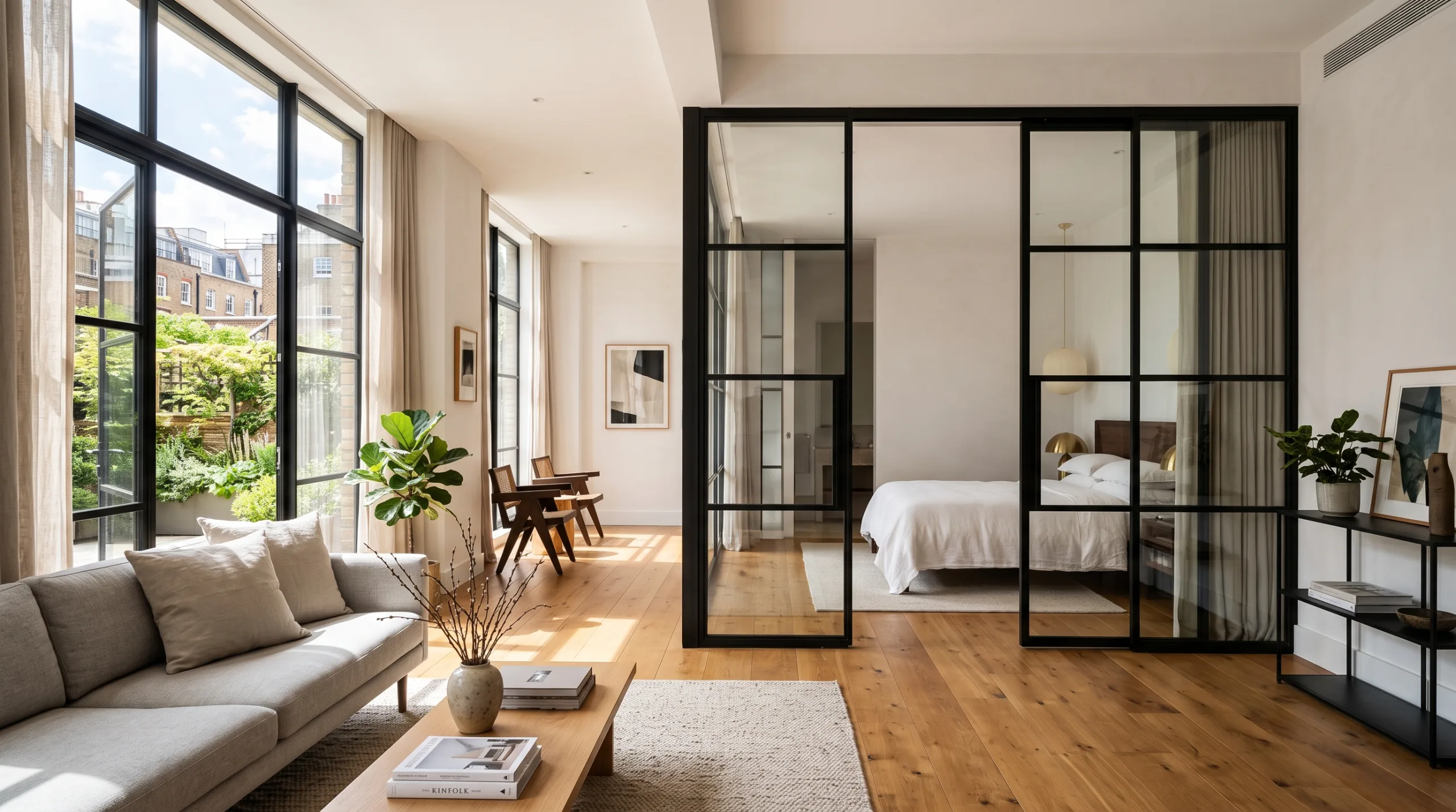
Creating an Additional Room: Smart Layout Guide 2026
A growing family, the need for a home office, or a simple desire for more privacy frequently raises a crucial question: how to gain new space without purchasing a larger property? The solution lies in creating an additional room through smart floor plan organization and minimal investment. From using light glass partitions and multi-purpose furniture to terrace adaptation, we reveal creative methods that will transform your home.