Expo 2027 Serbia: €1B+ Boost & Economic Impact

130+ Countries, 4 Million Visitors, €1 Billion+ Boost: What Expo 2027 Means for Serbia’s Economy
When a capital city prepares to host a global event spanning three full months, the conversation naturally turns to bottom-line numbers. Analyzing the broader economic impact of Expo 2027 reveals far more than temporary tourism excitement—it highlights a multi-billion-euro national transformation.
Running from May 15 to August 15, 2027, this international exhibition will gather delegations from over 130 participating countries and welcome an estimated 4 million visitors. With total supporting infrastructure and development investments exceeding €1.2 billion, Serbia is executing one of the most concentrated economic plays in the recent history of Southeast Europe.
Here is a breakdown of what these numbers mean for Serbia’s macroeconomic growth, local business ecosystem, and real estate market.
The Numbers Behind the Surge: 130+ Nations & 4 Million Visitors
Hosting an international exhibition governed by the Bureau International des Expositions (BIE) differs fundamentally from short-term sporting events or music festivals. While a typical mega-event lasts a week or two, EXPO 2027 will run for 93 consecutive days.
Metric | Details |
Expected Visitors | 4.0M – 4.1M Total Attendees |
Participating Nations | 130+ Confirmed Countries |
Event Duration | 93 Days (May 15 – Aug 15, 2027) |
Total Project Value | €1.29 Billion+ (Inc. Infra) |
Venue Core Footprint | 25 Hectares (Surčin District) |
This extended duration guarantees a continuous, three-month influx of high-spending international delegates, corporate representatives, diplomatic teams, and international tourists into Belgrade.
Key Sectors Driving the Expo 2027 Serbia Economic Impact
1. Construction and Infrastructure Modernization
The primary catalyst for immediate GDP growth is the massive expansion in non-residential construction. Development extends far beyond the core 25-hectare venue site to encompass a broader 200-hectare development zone in Surčin:
The EXPO Complex: 230,000 square meters of exhibition halls, multifunctional conference centers, and administrative blocks.
Transit Infrastructure: A dedicated railway connection linking Nikola Tesla Airport directly to central Belgrade and the venue, alongside expanded bypass highways and Sava River dock facilities.
Residential Accommodations: An EXPO Village featuring 1,500 modern housing units built to accommodate visiting national delegations.
This capital expenditure is accelerating infrastructure upgrades that would otherwise have taken decades to execute, providing immediate jobs and long-term asset value.
2. Tech, Foreign Investment, and Startup Ecosystems
The arrival of global trade representatives strengthens Serbia's existing positioning as a primary business and technology launchpad. Over the past several years, Belgrade, Novi Sad, and Niš have evolved into major regional tech hubs offering competitive corporate tax structures and a highly skilled workforce.
Hosting gitex-level technology forums and business panels within the EXPO halls provides local tech founders and startups direct access to foreign direct investment (FDI) and multinational partnerships.
3. Real Estate and Short-Term Rental Yields
The housing market is witnessing significant structural momentum. With thousands of delegates requiring mid-term housing and millions of tourists seeking short-stay options, property owners in central Belgrade, New Belgrade, and Surčin are adjusting their investment strategies:
Furnished Turnkey Units: High-end, fully furnished studio and one-bedroom apartments in central hubs command a premium from corporate expats and tech nomads who value convenience.
Long-Term Unfurnished Assets: Larger family apartments in quieter surrounding neighborhoods maintain steady long-term rental stability.
Hybrid Corporate Housing: Semi-furnished units located along transit corridors are becoming popular options for international corporate teams.
To optimize your real estate strategy ahead of the 2027 influx, review our detailed guide on Belgrade rentals: furnished vs. unfurnished strategies.
Long-Term Economic Legacy: Beyond the 93 Days
A common concern with mega-events is the risk of creating unused "white elephant" venues. However, Serbia's master plan emphasizes total post-event venue repurposing:
New Belgrade Fairgrounds: Once the event concludes in August 2027, the modern Surčin venue will permanently transition into the new Belgrade Fair, replacing aging 1950s infrastructure in central Belgrade.
Modular Material Reuse: Temporary pavilion materials will be repurposed to construct new public schools, kindergartens, and sports halls across Serbia.
Housing Market Integration: The 1,500 apartments in EXPO Village will be released onto the residential housing market, helping alleviate suburban housing supply pressures.
As explored in our analysis of why Serbia is a smart move for all generations, these permanent assets ensure that the capital invested today will continue delivering economic dividends for decades to come.
Quick Stats: Economic Pulse
€1.29B+ Investment: Total capital allocated toward exhibition halls, transit networks, and surrounding utility connections.
100,000+ Hospitality Nights: Projected demand surge across Belgrade hotels, short-term rentals, and corporate housing.
1,500 Housing Units: New residential apartments built in Surčin that will transition into permanent urban housing post-2027.
Pro Tip for Real Estate Investors
If you own property along the new Zemun-Airport-EXPO railway axis, focus on high-speed internet and modern furnishings. Short-term corporate rentals during the 93-day exhibition are projected to yield 20% to 35% higher monthly returns compared to standard long-term leases.
The Verdict
The Expo 2027 Serbia economic impact isn't just about a 93-day international showcase; it is a permanent upgrade to Serbia’s national infrastructure, international trade standing, and real estate valuation. By pairing massive public infrastructure investments with a clear legacy plan, Belgrade is leveraging the exhibition to secure its status as the economic capital of Southeast Europe.
More from Novi Kvadrat Editorial

High Speed Rail and Property Values: Top Growth Zones
The construction of modern transit hubs, expressways, and high-speed rail lines is fundamentally reshaping real estate market dynamics. Data tracking transit infrastructure confirms that high speed rail and property values move in tandem, converting formerly remote suburban pockets into highly sought-after residential and investment hotspots. Discover which micro-locations experience the steepest capital appreciation and how to invest strategically before infrastructure projects complete.

Micro-Location Real Estate: Why Street Prices Differ
Two apartments on the same street, with identical floor plans and square footage, can vary in price per square meter by up to 30%. Thorough analysis proves that micro-location real estate dynamics dictate this pricing gap. From floor level and traffic noise to sunlight exposure, views, and parking accessibility, hidden micro-environmental factors directly influence daily living comfort and long-term asset liquidity.
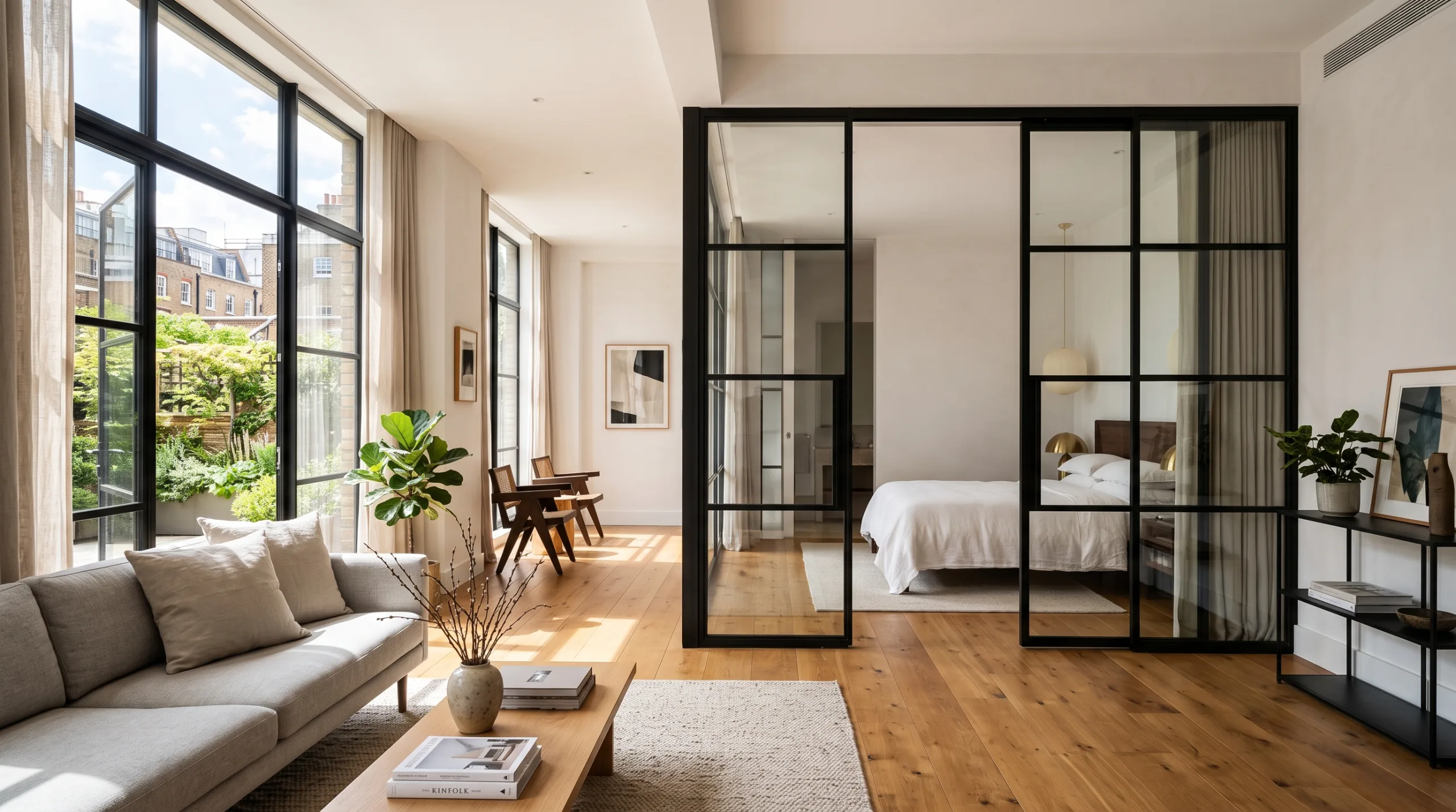
Creating an Additional Room: Smart Layout Guide 2026
A growing family, the need for a home office, or a simple desire for more privacy frequently raises a crucial question: how to gain new space without purchasing a larger property? The solution lies in creating an additional room through smart floor plan organization and minimal investment. From using light glass partitions and multi-purpose furniture to terrace adaptation, we reveal creative methods that will transform your home.