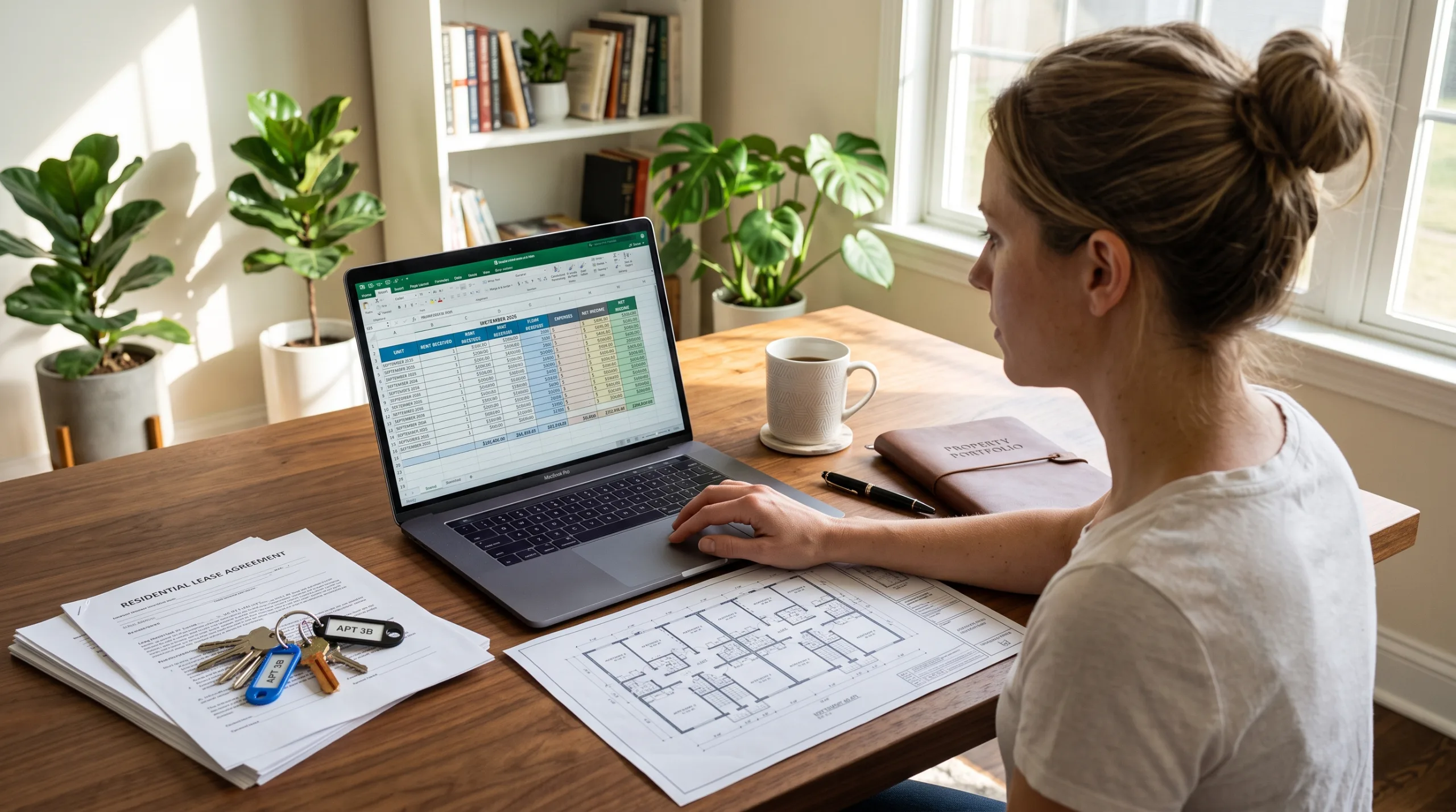
Why Your Apartment Is Not Selling: 5 Big Mistakes

Why Your Apartment Is Not Selling: 5 Big Mistakes
Listing a property for sale seems simple: take a few smartphone photos, write basic details, and wait for the phone to ring. However, when weeks turn into months without a single scheduled viewing, the question of why your apartment is not selling becomes a source of financial and emotional frustration.
The real estate market in 2026 is dynamic and transparent. Modern buyers searching through available apartments for sale have access to vast amounts of data, compare dozens of listings daily, and quickly identify properties that fail to deliver real value for money. If your listing has been sitting on portals for over 60 days, it is a clear sign that your property has an underlying issue turning buyers away.
The good news is that in 90% of cases, the issue is not the building or location itself, but how the property was prepared and launched on the market. Below are the five biggest mistakes keeping your listing stuck and actionable solutions to fix them.
1. Unrealistic Asking Price: The Main Reason Why Your Apartment Is Not Selling
Pricing a home is the most delicate stage of the entire sales process (read more on how valuation metrics work in our guide on square meter price and key valuation factors). The single biggest mistake sellers make is setting a price based on emotional attachment, past renovation expenses, or the highest asking prices of neighboring properties that are also—coincidentally—failing to sell.
When you overprice a property, "listing decay" occurs. Buyers who actually have the budget for your property's real value never see your listing because it falls outside their search filters. Meanwhile, buyers shopping in your inflated price tier compare your apartment against superior properties (newer construction, premium amenities, or garage spaces) and quickly dismiss it.
The Stale Listing Effect
The longer a listing sits on the market with an inflated price, the less appealing it becomes. Buyers and licensed agencies assume "something must be wrong" with the property if it remains unsold for months. By the time you finally drop the price to market value, the listing is already stale and struggles to generate fresh interest.
Side-by-Side Comparison: Overpriced vs. Market-Priced Listing
The following comparison table demonstrates how your initial pricing strategy directly impacts buyer behavior and your ultimate financial result:
Parameter / Outcome | Unrealistic Overpriced Listing | Realistic Market Pricing (Strategy) |
Inquiry Volume | Sporadic, mostly low-effort calls | High volume within the first 14 days of listing |
Buyer Quality | High-end buyers expecting luxury features | Motivated buyers with ready cash or approved mortgages |
Average Time on Market | 6 to 12+ months without closing | 15 to 45 days until preliminary contract |
Final Realized Price | Often below real market value due to burnout | Maximum market value with minimal discounting |
Negotiating Position | Seller forced to make massive price concessions | Seller firmly holds their price position |
2. Poor and Dark Photos That Repel Buyers
Initial property screening today happens visually on smartphone screens. A buyer decides whether to click on a listing within two to three seconds.
Dark photos taken at night under yellow artificial light, blurry shots from messy angles, cluttered tables, and unmade beds instantly turn buyers away. Even if your apartment boasts great architecture and a prime location, poor photography creates the impression of a dim, neglected space.
How to Fix Your Photography
Shoot your property exclusively in natural daylight during morning hours.
Remove all personal clutter, shoes, clothing, and cleaning supplies from the frame.
Use a wide-angle lens to capture entire rooms, but avoid harsh fisheye distortions.
3. Neglecting Home Staging and Cluttered Spaces
When prospective buyers tour your property, they want to envision their future life inside it. If greeted by overcrowded rooms, bulky old furniture, family photos covering every wall, or lingering pet odors, they cannot form an emotional connection with the space.
Clutter makes rooms appear significantly smaller than their actual square footage. Furthermore, visible minor defects (like dripping faucets, loose door handles, or peeling paint) signal to buyers that they will need to spend thousands of dollars on repairs immediately after moving in.
For step-by-step guidance on clearing and aesthetically preparing your space before launching, read our guide on preparing a property for sale.
4. Messy Legal Documentation and Unresolved Encumbrances
A major hidden reason why your apartment is not selling is legal uncertainty. Buyers in 2026 are unwilling to risk life savings or commit to mortgage contracts for properties with incomplete title paperwork.
If your listing or initial phone screening reveals that the apartment is "almost registered," undergoing endless legalization without a clear timeline, or burdened by property disputes and court notices, most buyers will walk away immediately. Furthermore, mortgage buyers cannot purchase a property that lacks a usage permit or clear 1/1 ownership title (if you are selling a newly built property, buyers may also benefit from our VAT refund guide).
Before putting your property on the market, inspect your cadastre records and verify there are no hidden encumbrances using our guide on how to check property owner and encumbrances.
5. Passive Marketing and Inflexible Viewing Schedules
Many sellers believe that posting a basic listing on a single free portal is enough (check out our options for advertising and pricing to boost your visibility). Passive marketing paired with a weak description consisting of three bare sentences ("Apartment for sale, 50m2, call for price") fails to reach a broad audience of qualified buyers.
Additionally, seller inflexibility regarding viewing appointments kills sales before they start. If you restrict viewings strictly to weekdays between 5 PM and 6 PM or refuse weekend tours, busy professionals with ready capital will simply move on and buy another home.
Actionable Checklist: How to Revive a Stale Listing
If your listing has been stuck on the market for months without results, execute this step-by-step turnaround plan:
Analyze real market comps: Check actual closed sale prices for similar properties in your neighborhood over the last 3 months.
Adjust the price by 3% to 5%: A price drop triggers notifications to buyers watching your listing and pushes it back to the top of portal searches.
Replace all photography: Declutter every room, re-photograph on a bright sunny morning, and update your main cover photo.
Assemble a legal folder: Keep fresh cadastre excerpts and utility receipts organized on the table for serious viewers.
Write a compelling description: Highlight micro-location benefits (proximity to schools, public transit, parks) and clear monthly utility costs.
Understanding why your apartment is not selling is never an unsolvable mystery. By adjusting your price to realistic market levels, investing in professional presentation, decluttering rooms, and preparing clean legal paperwork, you will convert a forgotten listing into a successful, high-value real estate transaction.
More from Novi Kvadrat Editorial

High Speed Rail and Property Values: Top Growth Zones
The construction of modern transit hubs, expressways, and high-speed rail lines is fundamentally reshaping real estate market dynamics. Data tracking transit infrastructure confirms that high speed rail and property values move in tandem, converting formerly remote suburban pockets into highly sought-after residential and investment hotspots. Discover which micro-locations experience the steepest capital appreciation and how to invest strategically before infrastructure projects complete.

Micro-Location Real Estate: Why Street Prices Differ
Two apartments on the same street, with identical floor plans and square footage, can vary in price per square meter by up to 30%. Thorough analysis proves that micro-location real estate dynamics dictate this pricing gap. From floor level and traffic noise to sunlight exposure, views, and parking accessibility, hidden micro-environmental factors directly influence daily living comfort and long-term asset liquidity.
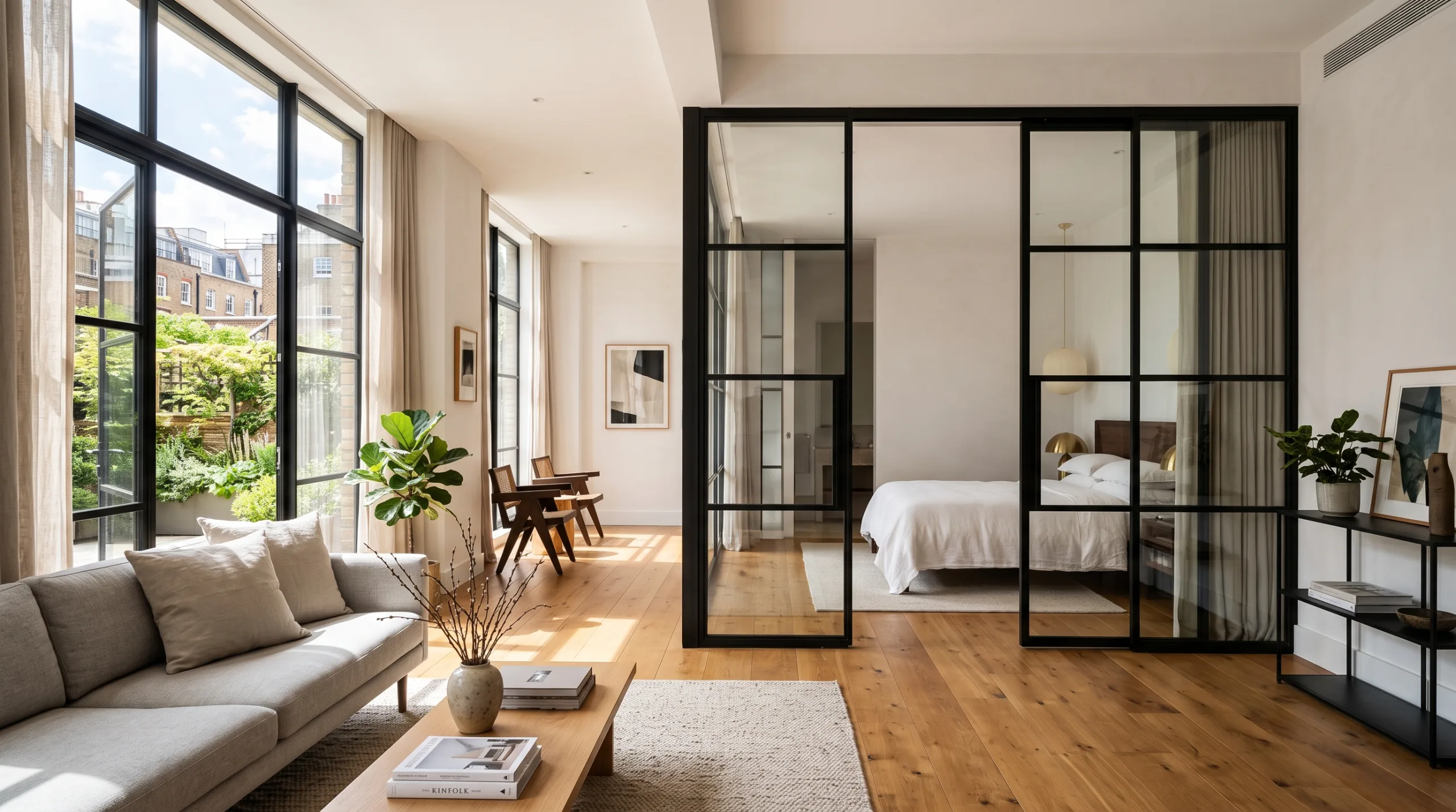
Creating an Additional Room: Smart Layout Guide 2026
A growing family, the need for a home office, or a simple desire for more privacy frequently raises a crucial question: how to gain new space without purchasing a larger property? The solution lies in creating an additional room through smart floor plan organization and minimal investment. From using light glass partitions and multi-purpose furniture to terrace adaptation, we reveal creative methods that will transform your home.