No More EPS Jump Scares: 2026 Energy Saving Guide
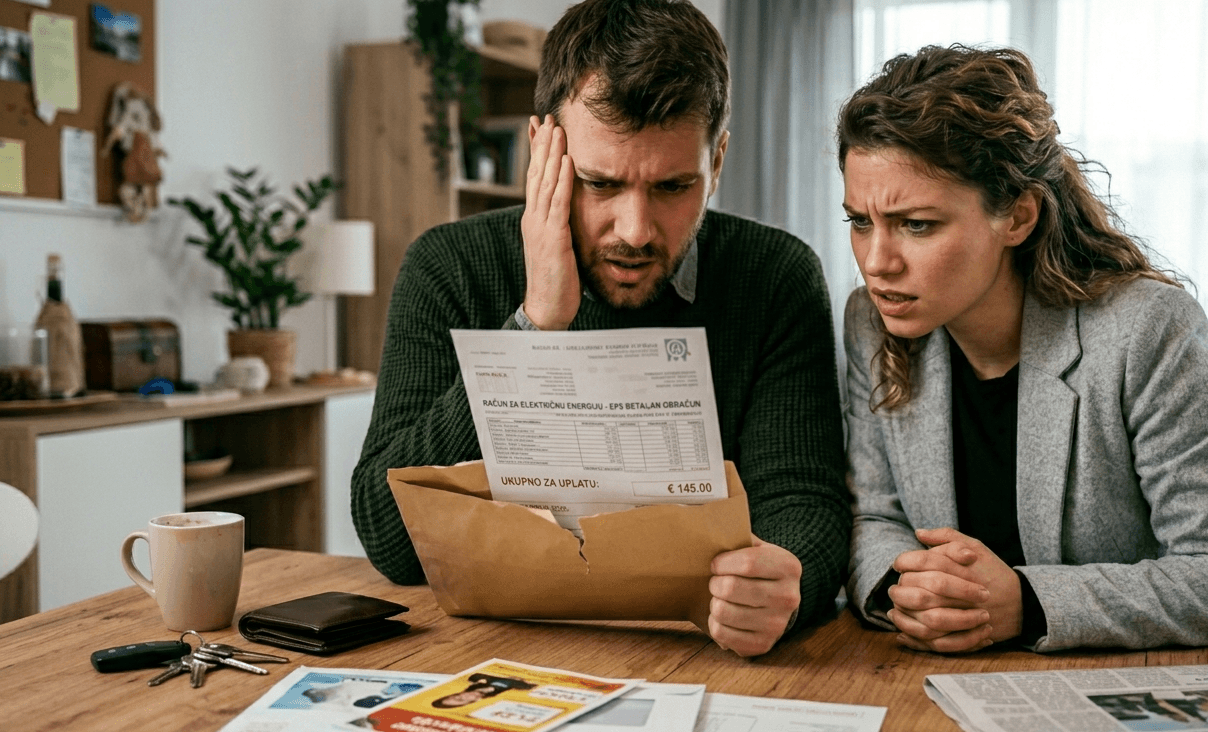
If you want to protect your wallet this winter, this comprehensive 2026 Energy Saving Guide will help you understand Belgrade's changing power tariffs and lower your monthly bills. Taking into account official salary statistics and the share of utilities in the household budget, opening that white envelope from EPS is easily the biggest "jump scare" of adulting. However, with the right strategy, you can easily outsmart the system.
Whether you live in a newly built new development or an older apartment, think of your home like a game where the goal is to beat the system without living in the dark. In 2026, electricity isn't just a bill; it's a mandatory subscription that gets exponentially more expensive if you don't know the rules. Here is your definitive gameplay to keep your money where it belongs—in your pocket.
Mastering the EPS Zones with Our 2026 Energy Saving Guide
To successfully lower your costs, you first need to understand how EPS calculates your consumption. Serbia uses a strict block-tariff system divided into three color-coded tiers based on kilowatt-hours (kWh) consumed per month. If you accidentally tip over into a higher zone, your rate per kilowatt jumps drastically.
The Green Zone (Up to 350 kWh): This is the safe haven. If you manage to keep your household within this limit, you are paying the absolute lowest baseline rates in the country.
The Blue Zone (351 to 1,200 kWh): The middle tier. Most average families in Belgrade end up here. If you are planning a layout change or space optimization, check out our guide on how to build an extra room in an apartment without creating unnecessary heat losses.
The Red Zone (Over 1,200 kWh): The danger zone. Once you pass 1,200 kWh, the price per kilowatt-hour quadruples compared to the green zone. This is where the infamous "bill shocks" happen; check out our detailed analysis if you are torn between heat pumps vs central heating.
4 Simple Energy Hacks to Slash Your Bills Immediately
1. The Water Heater: The Heavyweight Champion
The water heater is the undisputed boss of your electricity bill, accounting for up to 15% of your total household energy consumption. Leaving it turned on at maximum temperature all day long is like running your car engine at full speed while it is parked inside your garage.
The Vibe Check: Dial the thermostat down to 60°C instead of the maximum 75°C or 80°C. It is still plenty hot enough for a perfect shower, but it stops limescale from building up rapidly and prevents your money from literally evaporating.
The "Stealth" Move: If you only switch your boiler on during the cheap night hours, you are getting your hot water at a massive 75% discount. That is a budget cheat code worth using every single day, especially if you are preparing an apartment for rentals and want to keep fixed overhead low.
2. Master the "Night Shift" (The 4x Rule)
In Serbia, the clock is your best financial advisor. Thanks to dual-tariff meters, electricity becomes roughly four times cheaper during the night. However, the exact timing depends entirely on where you live in the country.
In Belgrade, the cheap tariff runs from midnight (00:00) to 8:00 AM. If you live in Vojvodina, it starts earlier, from 11:00 PM to 7:00 AM, while in Central Serbia, the window shifts from 10:00 PM to 6:00 AM. In 2026, especially if you are weighing investment strategies like short term vs long term rental where utilities factor into your margins, smart property owners do their heavy lifting while they sleep. Running a washing machine at 2:00 PM is a luxury flex; running it at 2:00 AM is a major win for your monthly budget.
3. Fridge Logistics & Kitchen Optimization
Your refrigerator runs 24 hours a day, 7 days a week, making it a constant, hidden expense that you pay for every single second of the year.
The Cooling Hack: Keep your fridge and freezer units away from heat sources like stoves, ovens, or direct radiators. If the surrounding kitchen air is hot, the fridge motor has to grind twice as hard to keep the interior cold.
The Golden Rule: Never put a steaming pot of hot soup or fresh leftovers straight inside. Let the food reach room temperature on the counter first. Putting hot food into a cold fridge is like asking the appliance to run a marathon while wearing a heavy fur coat.
4. Kill the "Vampire Power" Drainage
When planning a remodeling project or updating electrical wiring, always review what not to skip on during renovation, because in modern apartments, "off" does not always mean zero consumption. Your television, gaming consoles, Wi-Fi routers, and laptop chargers are chronic "vampires"—they silently sip power 24/7 just by remaining plugged into the living room walls.
The Ghosting Strategy: If you are heading out of the city for a weekend getaway or a summer vacation, ghost your electronics. Pull the plugs on everything except your fridge.
The Easiest Win: Switch entirely to LED bulbs. They use ten times less energy than old incandescent lightbulbs and last so long you will probably move houses before you ever need to change one again.
More from Novi Kvadrat Editorial

High Speed Rail and Property Values: Top Growth Zones
The construction of modern transit hubs, expressways, and high-speed rail lines is fundamentally reshaping real estate market dynamics. Data tracking transit infrastructure confirms that high speed rail and property values move in tandem, converting formerly remote suburban pockets into highly sought-after residential and investment hotspots. Discover which micro-locations experience the steepest capital appreciation and how to invest strategically before infrastructure projects complete.

Micro-Location Real Estate: Why Street Prices Differ
Two apartments on the same street, with identical floor plans and square footage, can vary in price per square meter by up to 30%. Thorough analysis proves that micro-location real estate dynamics dictate this pricing gap. From floor level and traffic noise to sunlight exposure, views, and parking accessibility, hidden micro-environmental factors directly influence daily living comfort and long-term asset liquidity.
Creating an Additional Room: Smart Layout Guide 2026
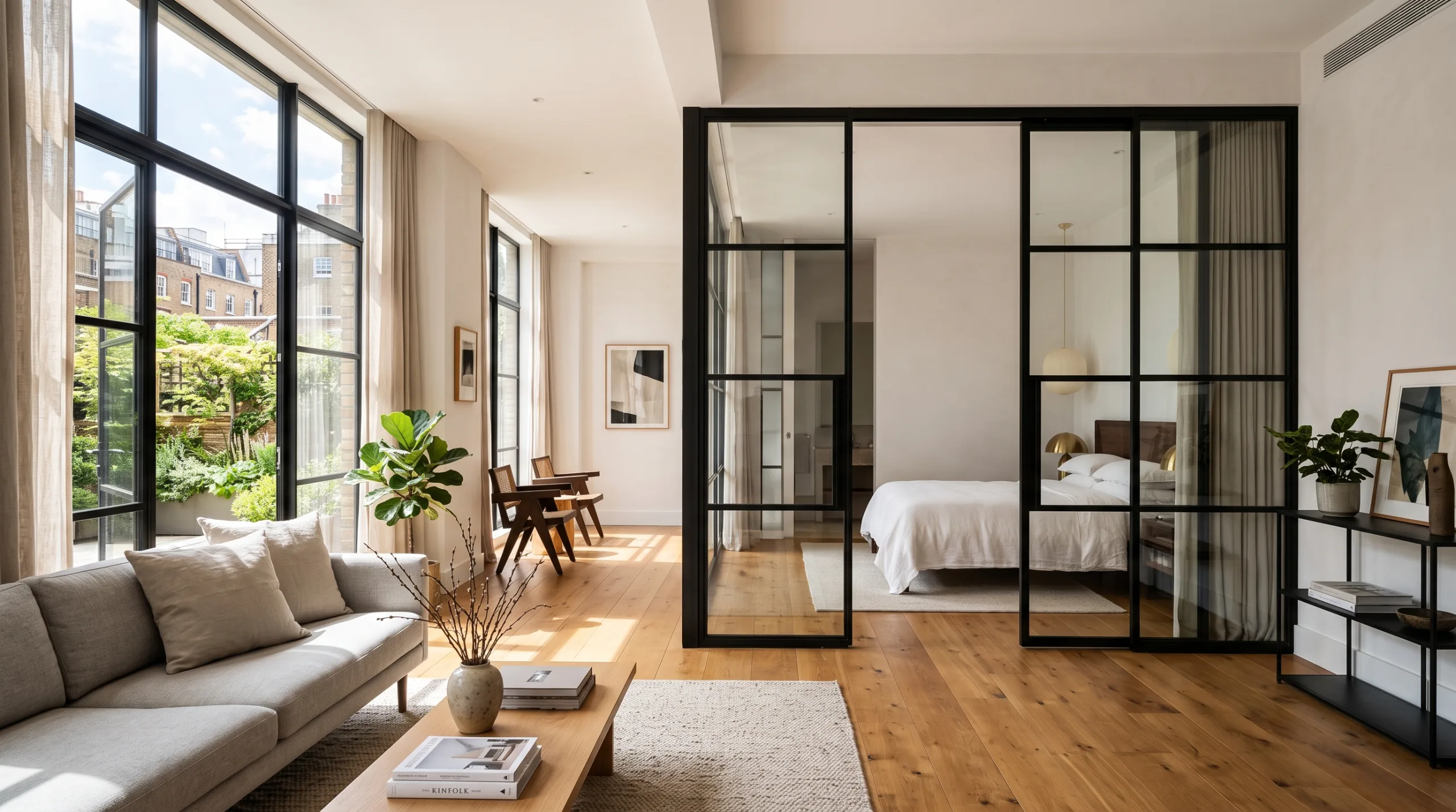
A growing family, the need for a home office, or a simple desire for more privacy frequently raises a crucial question: how to gain new space without purchasing a larger property? The solution lies in creating an additional room through smart floor plan organization and minimal investment. From using light glass partitions and multi-purpose furniture to terrace adaptation, we reveal creative methods that will transform your home.