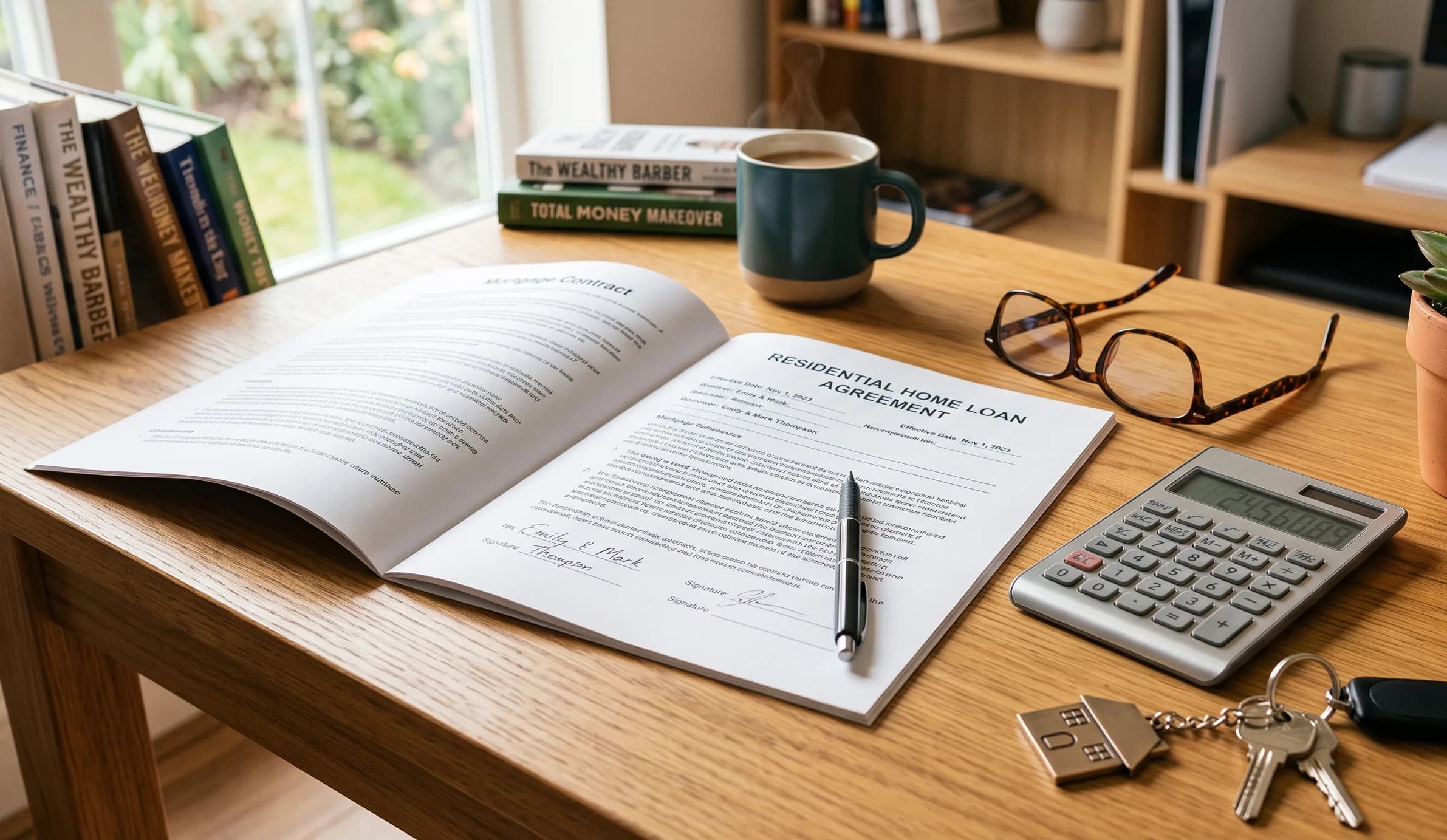
Buying vs Building in 2026: What Is Cheaper?
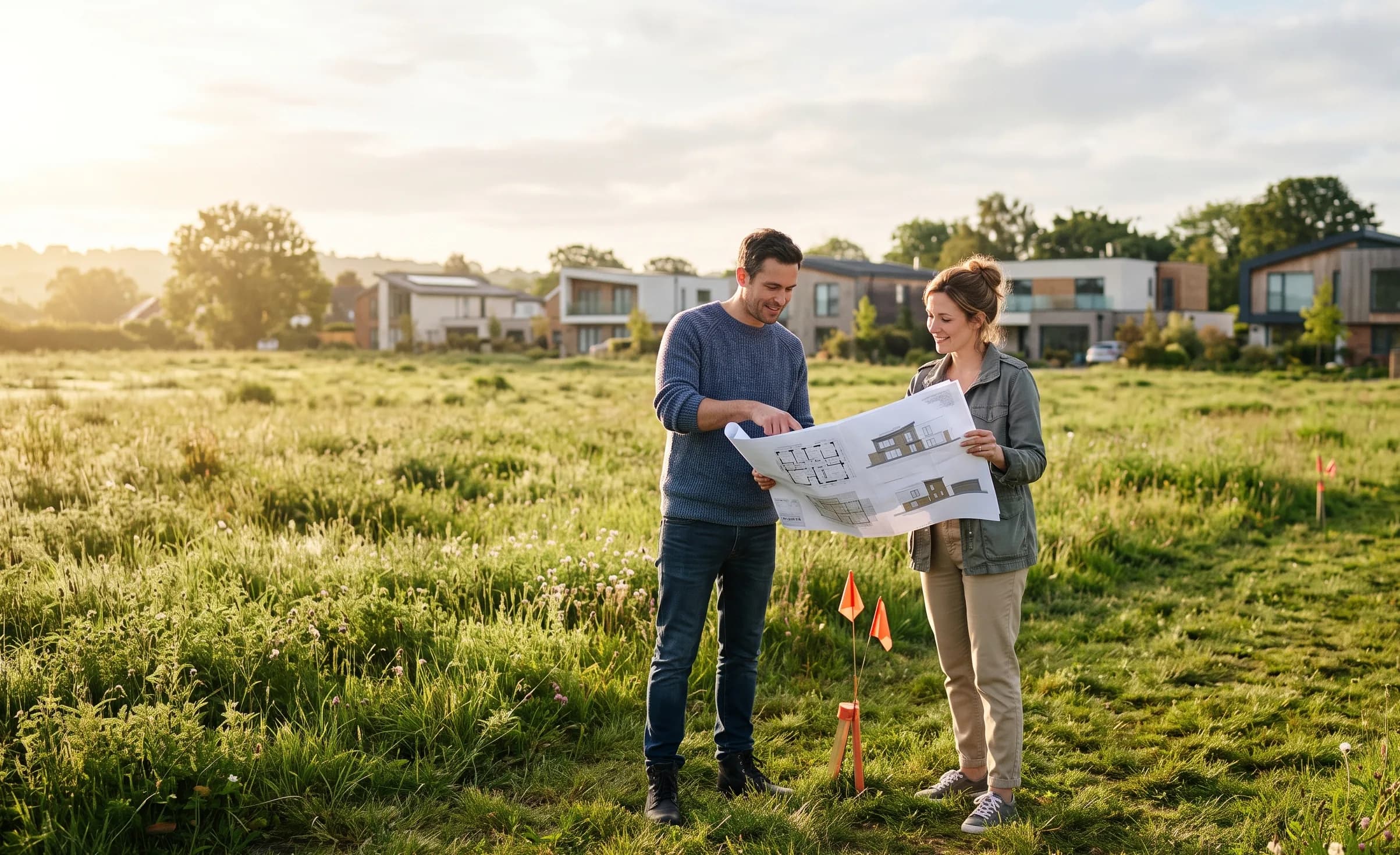
Buying vs Building in 2026: What Is Cheaper?
The decision to secure a new home always comes down to a classic crossroad: do you buy an existing property or build one from the ground up? In the current economic climate, the debate around buying vs building in 2026 has taken on fresh complexity.
For years, building a home was widely viewed as a premium luxury reserved for those willing to pay a massive markup for custom finishes. However, as existing home inventory remains tight and prices for older homes stay elevated, many prospective buyers are re-evaluating whether starting from scratch might actually yield better value per square foot.
To determine which route is genuinely cheaper today, we must look beyond basic sales pitch numbers and analyze land prices, building material trends, labor availability, financing structures, and those notorious hidden fees that catch buyers off guard.
The Landscape in 2026: What Has Shifted?
To understand housing costs today, we have to look at how supply chains and real estate trends have settled:
Material Costs Have Levelled Off: Supply chain bottlenecks that once skyrocketed lumber, steel, and concrete prices have largely normalized. While materials aren't "cheap," their pricing is far more predictable than it was during peak volatility.
Skilled Labor Commands Premium Rates: While raw materials have stabilized, trade labor (electricians, plumbers, framers, HVAC technicians) remains in short supply, keeping construction labor costs elevated.
Existing Homes Face an "Age Tax": Older homes built 20 to 40 years ago are reaching major maintenance cycles—requiring new roofs, updated HVAC systems, and thermal envelope upgrades—making their true acquisition cost higher than the sticker price suggests.
Feature / Aspect | Buying an Existing Home | Building a New Home |
Timeline | Immediate move-in timeline | Holding costs during construction |
Pricing & Land | Negotiable purchase price | Premium pricing on prime plots |
Maintenance & Repairs | Potential hidden repair bills | Zero immediate maintenance costs |
Design & Efficiency | Outdated energy efficiency | 100% custom floor plan & design |
A: Buying an Existing Home
Buying an existing home remains the fastest and most common route to homeownership. However, "cheaper" on paper doesn't always translate to cheaper in reality.
Why Buying Can Be Cheaper
Shorter Holding Period: Buying a home typically takes 30 to 60 days to close. You avoid paying double housing costs (e.g., paying rent or a existing mortgage while funding a construction project for 10–14 months).
Established Infrastructure: Existing homes come with finished landscaping, paved driveways, fencing, and active utility hookups already built into the purchase price.
Price Certainty: When your offer is accepted, your purchase price is locked in. You don't face sudden price escalations due to site prep surprises or contractor overruns.
The Hidden Costs of Buying
Immediate Maintenance Overhead: Replacing a 15-year-old roof, upgrading an outdated electrical panel, or fixing aging plumbing can add tens of thousands to your expenses in year one.
Higher Utility Bills: Older homes rarely meet modern insulation standards, leading to higher monthly heating and cooling costs compared to new builds.
Option B: Building a New Home
Building a home allows you to get exactly what you want, but managing a construction budget requires strict discipline and healthy financial reserves.
Why Building Can Be Cheaper in the Long Run
Zero Maintenance Horizon: With brand-new roofing, foundation warranties, new plumbing, and factory-warranted appliances, your maintenance expenditure for the first 5 to 10 years is close to zero.
Superior Energy Efficiency: Modern building codes require high-density insulation, multi-pane low-E glass, and high-efficiency heat pumps. This translates to significantly lower monthly utility bills over the lifetime of the home.
Built-In Equity Potential: If you manage your build efficiently and avoid excessive luxury upgrades, finished custom homes often appraise higher than total construction costs, granting you instant equity.
The Hidden Costs of Building
Construction Loan Interest: Construction financing operates differently than standard mortgages. You pay interest-only rates on draw requests during the build, which adds up quickly if permitting or weather delays stretch your timeline.
Site Preparation & Utility Hookups: Purchasing a plot of land is only step one. Clearing trees, grading soil, digging foundations, and connecting to municipal water, sewer, and power grids can cost anywhere from $10,000 to over $50,000 before framing even begins.
Cost Comparison: Buying vs Building in 2026
When evaluating buying vs building in 2026, comparing overall budgets side-by-side helps clarify where your money actually goes:
Expense Category | Buying an Existing Home | Building a New Home |
|---|---|---|
Upfront Cost Predictability | High: Fixed purchase contract price | Moderate to Low: Risk of change orders & site overruns |
Time to Move In | Fast: 30–60 days | Slow: 8–18 months (permits + construction) |
Price per Square Foot | Generally lower upfront | Higher upfront (includes raw land + labor) |
Initial Repairs & Renovations | High risk (roofing, HVAC, cosmetic fixes) | Near zero (protected by builder warranties) |
Monthly Utility Costs | Higher (older insulation & appliances) | Significantly lower (modern energy efficiency standards) |
Land & Site Prep Fees | Included in sale price | Separate purchase; variable site development costs |
Financing Structure | Standard single-closing mortgage | Construction-to-permanent loan (2-stage process) |
How to Recognize Safe Construction When Building or Buying
Whether you opt to purchase an existing home or commission a new build, assessing structural integrity is vital to keeping your budget safe.
If you decide to build, verifying the developer's track record and inspecting foundation work early is crucial. If you decide to buy an existing home, looking past fresh paint and home staging to check for load-bearing stability and water intrusion will protect you from buying a money pit.
The Verdict: What Is Actually Cheaper Today?
So, which path wins the cost battle when comparing buying vs building in 2026?
Buying Is Cheaper IF:
Your timeline is tight: If you cannot afford 10–14 months of temporary rent while waiting for construction to finish, buying saves you massive holding costs.
You are shopping in established suburban areas: Raw, buildable land in desirable, mature neighborhoods is scarce and carries massive location premiums. Buying an existing home in these areas is almost always cheaper than tearing down and rebuilding.
You are working with a tight cash reserve: Building requires liquid cash for land down payments, permits, site surveys, and unexpected budget overruns.
Building Is Cheaper IF:
You already own land or can buy cheap acreage: If land acquisition costs are minimal, building a turnkey home often costs less per square foot than buying overpriced inventory in tight markets.
You plan to stay for 10+ years: The long-term savings on utility bills, zero repair costs, and personalized floor plans make new construction a financially superior long-term hold.
You choose a semi-custom or production builder: Building a fully custom home is almost always more expensive. However, building a production/tract home with a national developer often costs less per square foot than buying a comparable 10-year-old home nearby.
Final Thoughts
Choosing between buying vs building in 2026 isn't just a matter of price per square foot—it is a choice between time vs customization.
If immediate affordability, fast move-in dates, and predictable closing figures are your primary goals, buying an existing home remains the cheaper, safer option.
However, if you have the patience to navigate an 18-month timeline, have cash reserves to absorb construction financing, and want to avoid the hidden renovation costs of aging properties, building can deliver far better long-term financial value.
More from Novi Kvadrat Editorial

High Speed Rail and Property Values: Top Growth Zones
The construction of modern transit hubs, expressways, and high-speed rail lines is fundamentally reshaping real estate market dynamics. Data tracking transit infrastructure confirms that high speed rail and property values move in tandem, converting formerly remote suburban pockets into highly sought-after residential and investment hotspots. Discover which micro-locations experience the steepest capital appreciation and how to invest strategically before infrastructure projects complete.

Micro-Location Real Estate: Why Street Prices Differ
Two apartments on the same street, with identical floor plans and square footage, can vary in price per square meter by up to 30%. Thorough analysis proves that micro-location real estate dynamics dictate this pricing gap. From floor level and traffic noise to sunlight exposure, views, and parking accessibility, hidden micro-environmental factors directly influence daily living comfort and long-term asset liquidity.
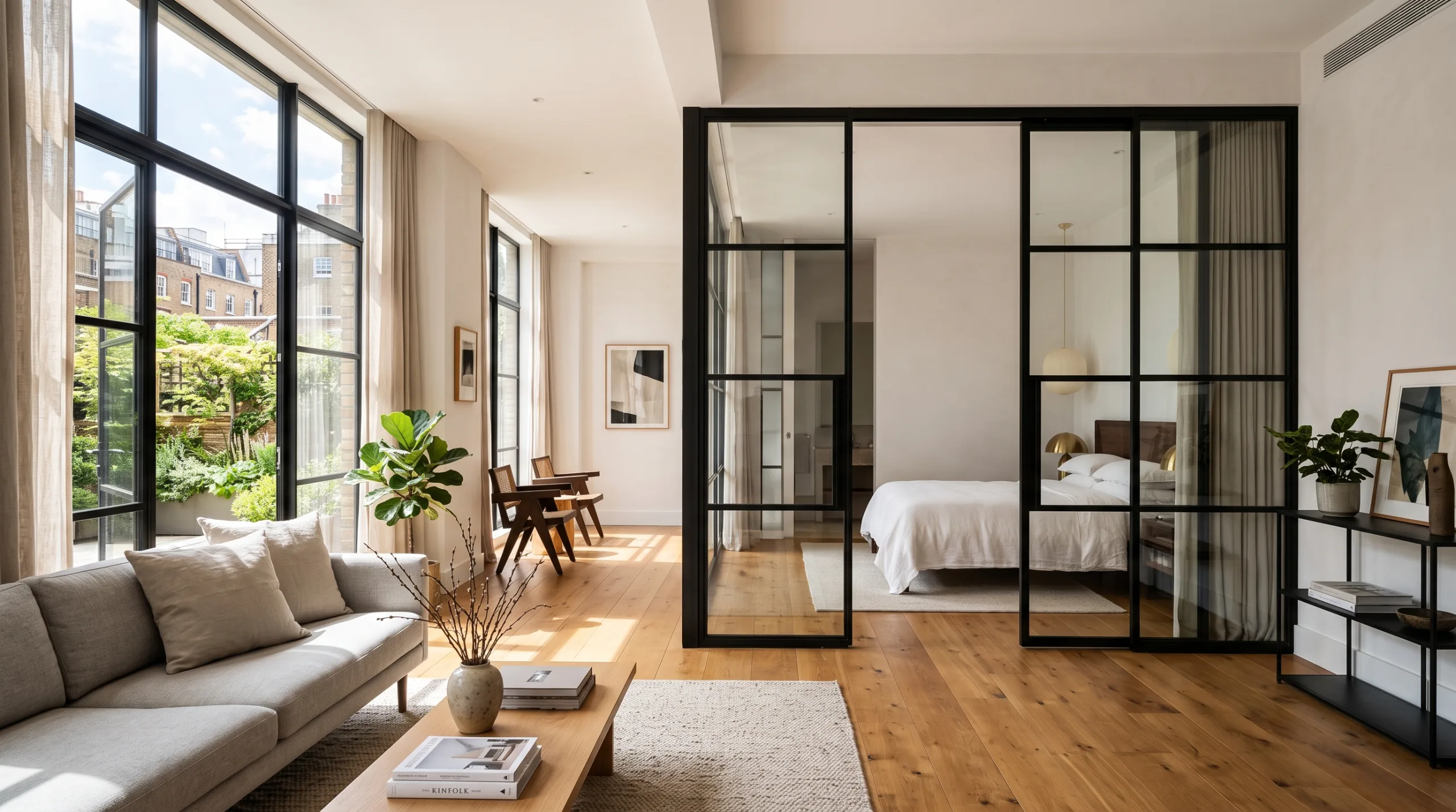
Creating an Additional Room: Smart Layout Guide 2026
A growing family, the need for a home office, or a simple desire for more privacy frequently raises a crucial question: how to gain new space without purchasing a larger property? The solution lies in creating an additional room through smart floor plan organization and minimal investment. From using light glass partitions and multi-purpose furniture to terrace adaptation, we reveal creative methods that will transform your home.